

The Lucrative 2030s Future of Face-Slapping
How our athleisure apes can escape the Matrix.

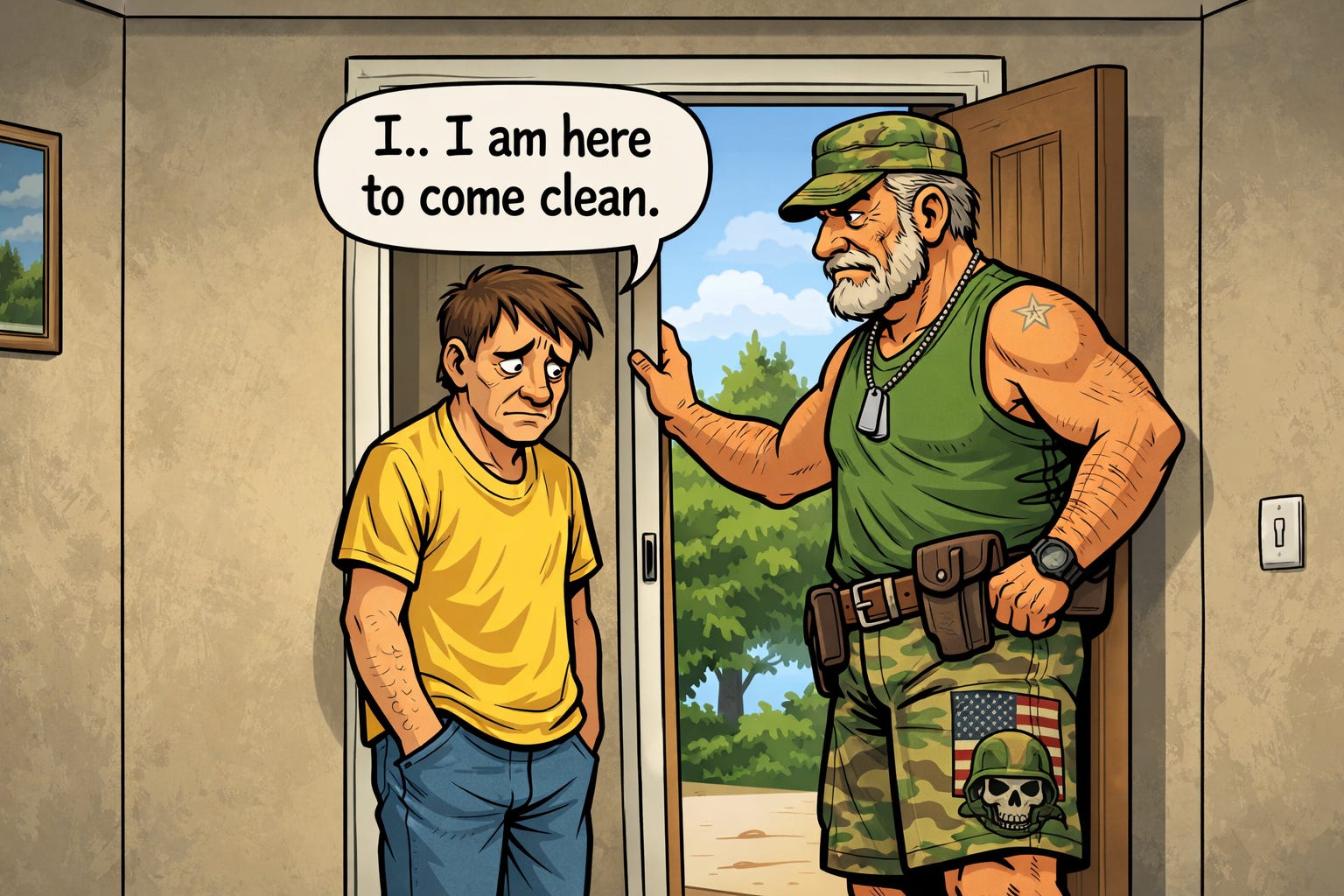
I predict that within five years, I will pay someone whose job is to slap me in the face in a purely professional, non-sexually-deviant way.
For context, let’s start with a line from Principles, by Ray Dalio (founder of Bridgewater):
Think of yourself as a machine operating within a machine, and know that you have the ability to alter your machines to produce better outcomes.
In other words, we are two things: the human machine and the programmer of our own machine.1
The Best of Times and the Most Seductive of Times
Between YouTube, Wikipedia, and AI chatbots that have trained on most written human knowledge, our programmer’s cost of finding information is now effectively zero. No more asking neighbors for encyclopedias. A motivated and reasonably smart student can repeatedly figure out both what she needs to do to achieve her goal and how to do it.
When we program our machine (i.e. set goals and schedule plans) we expect the machine to largely obey orders. The challenge, of course, is that our machine is actually just an ape wearing athleisure, so it disobeys.
To corral the athleisure ape, we try to be smarter and plan better, but as Derek Sivers has said:
If more information were the answer, we’d all be billionaires with perfect abs.
From a “compliance to what our programmer wants us to do in life” standpoint, it’s never been harder to be an athleisure ape because the environment has never been more exploitative to our ape brain.
We, the programmer, may want to cook better food and lift one weight and leave the house with plans, but our ape could live dozens of lifetimes and never have to look away from Netflix autoplaying. The ape could go years ordering fast-food on Uber Eats and literally never leave the house.
I keep returning to this subject over the years because it should be a much bigger deal that the most well-paid engineers in the world are paid to build the most addicting algorithms.
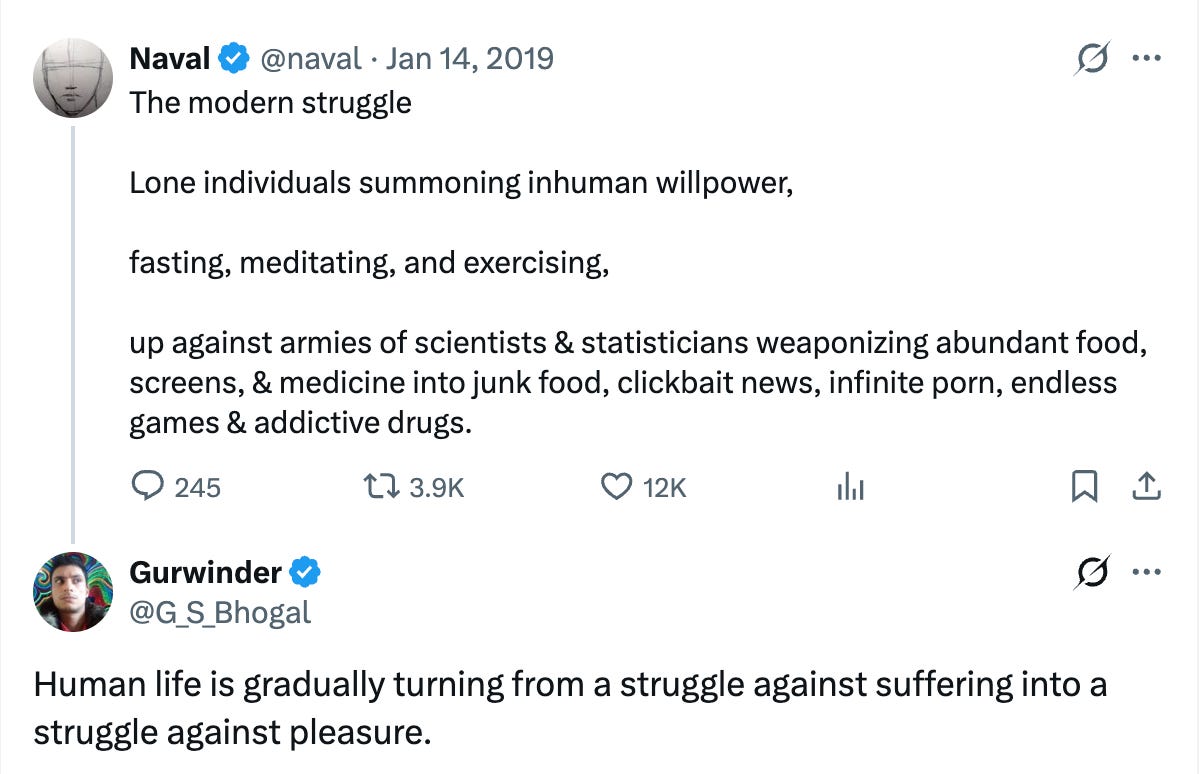
While Naval’s 2019 tweet is a bit melodramatic, it’s not wrong: the athleisure ape is increasingly exploited by the apes building the system. Emotional dysregulation rises as a result, which leaves people too tired and fatalistic to do what they say they want to do.
What’s Not Working
The other reason I return to this subject is that existing strategies must be updated in the War for the Athleisure Ape’s Mind (WAAM).
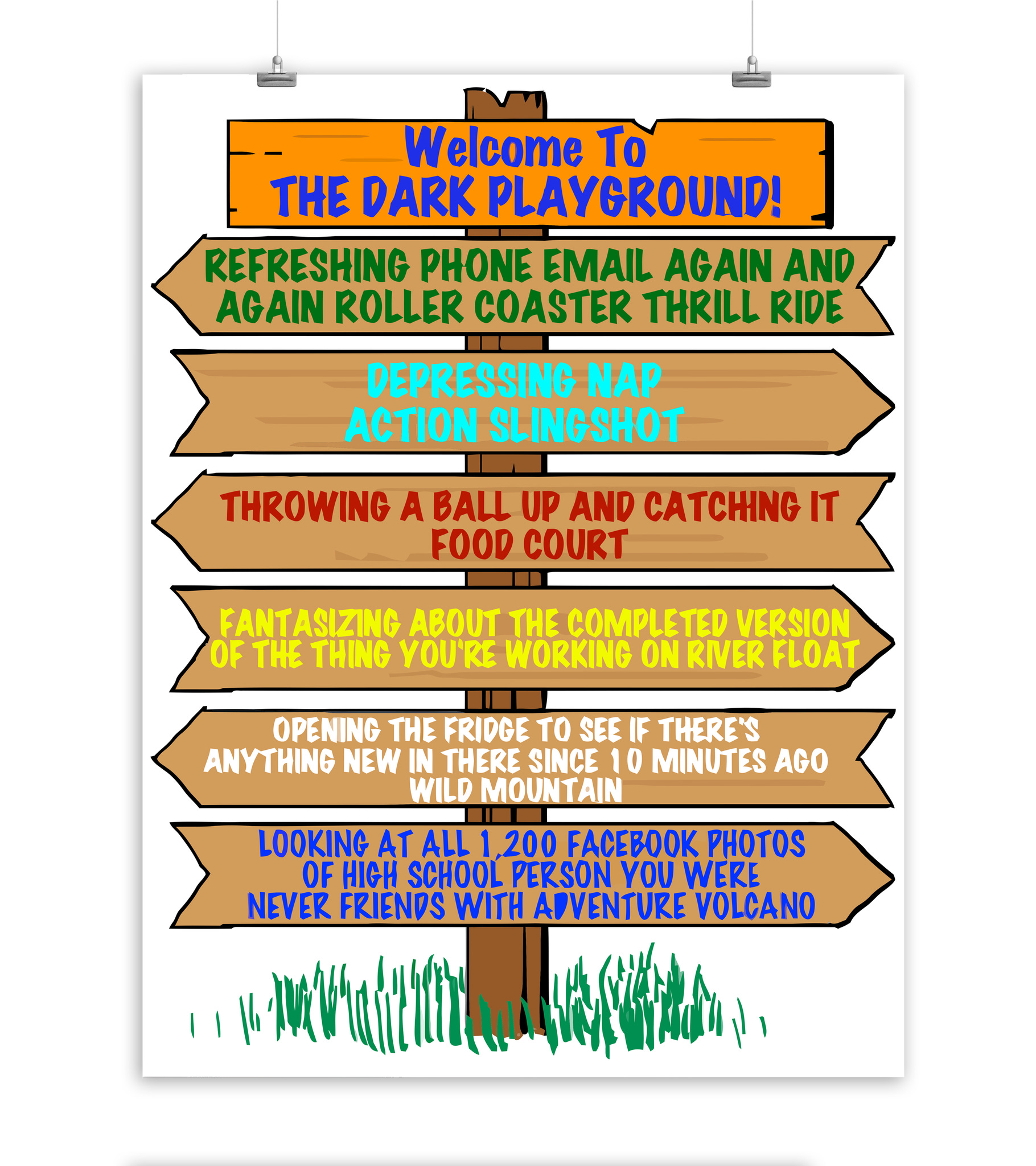
In the ape’s desperate attempt to pull its procrastinator monkey of off Tim Urban’s Dark Playground (see image below), or to get its gluttonous gorilla to eat one vegetable, it turns to motivational videos and buys productivity books in the airport.
While videos and goals and books are better than making zero effort, let’s examine the case of Cathy. Cathy faces a problem. Cathy’s 2026 goal was to read one page per day from a book.2 It’s been hard, though. Here is the chart of her January days.

Then she reads Atomic Habits, a Valentine’s gift from her partner that is well-meaning but that Cathy interprets as passive-aggressive. She reads the book, implements practices, and March gets better. In March she reads most days.

But, alas, things fall apart again. Despite believing in the “21-day habit formation” rule, one page a day becomes zero, except for one night in May.

The root of the problem for Cathy is that unless a habit is something she loves doing, a carrot in the world of infinite candy is not as effective as a stick.
Even when we heed the valuable advice to “make undesirable habits hard to do” (e.g. we purge the house of that candy), our fear of getting fired and going broke will always be a stronger motivator than “it would be cool to have abs, so I’ll start going to the gym in the morning every day.” We can’t get away with skipping work for weeks, but we can definitely get away with skipping the gym for weeks.
Carrots don’t work as well as sticks
As programmers of our own athleisure apes, we’ll eventually realize that the ape has no chance. It’s no longer a fair fight and hasn’t been for some time; no amount of “just do it, lock in!” advice from Nike or Jocko Willink will help the ape thrive in a world built to exploit apes.
What to do then?
Let’s meet one more person, Cathy’s friend, Bob. Bob also wants to read, but knows he historically has a 0% success rate at sticking to habits. Unlike Cathy, Bob hires a retiree named Mike, a card-carrying member of the NRA. Mike agrees to taze Bob if Bob goes a day without reading one page from a book. Bob’s first seven months go like this:
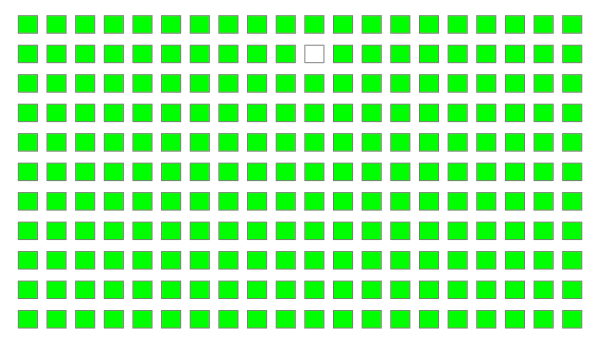
Bob is a nut, to be clear, but Mike also offers a service in which he slaps people in the face instead of tazing them should they skip more than two days in any week (perfection is not a healthy expectation, Bob!).3
But… we’ve been told our whole lives that sticks are cruel. An autocratic programmer would be unfair to the athleisure ape. If you actually want to do something, you’ll do it from a good place, not out of fear of getting slapped or whatever Mike is cooking up next.
The problem is that, again, the ape has no chance even when both the ape and the programmer know that the goal is coming from a good place.
Corporal punishment as the way to align our programmers and our athleisure apes is only a half-joke. Whether you get literally slapped or you try Nathan Fielder’s unhinged protocol (in which the postal service legally has to mail a horribly shameful photo if you don’t provide proof you completed the task on time), the direction we’re headed is clear:
As the world gets better at exploiting our apes, the antidotes will become more extreme.4
Maybe people will ditch their home internet, or switch to landlines, or start using Nokia phones again.
I really don’t know, but what I do know is that in America’s utopian “post-scarcity” future, ADHD-vaping teens and semi-gruntled retirees will get paid to slap people’s faces. I will pay for such a service, and as the entrepreneurial adage goes, if there is a market for one, then others will pay too, even if it’s just Bob and me.
As the machine itself, almost all of our life is spent acting from habit and intuition—what Daniel Kahneman called system-one thinking. In terms of the programmer of the machine, I most recommend this lengthy 2015 essay from Tim Urban called “The Cook and the Chef: Musk’s Secret Sauce.”
A lofty goal that will help American kids make a comeback in global STEM scores.
A likely economic outcome in the coming years is that many millions of “knowledge workers” will shift into a growing category of “service workers.” This “services” category could involve more physical therapists (in an aging populace), or nurses, or mental therapists, or fashion bloggers, or, in this case, someone who is paid to slap face part-time.
I wholeheartedly agree with this recent line from Tim Ferriss: If you can single task on important things for—not even four hours a day—two hours a day, without interruption, you are going to be, from the perspective of the attention economy, in the top 1% of performers.